Oct 02, 2026 • Jack Taixon
OCR Automation: Turning Business Documents into Usable Data
Businesses process large numbers of documents every day. Identification documents, vehicle logbooks, invoices, forms and certificates often contain information that eventually needs to be entered into a digital system.
Traditionally, employees read the document and manually type the information. Optical Character Recognition, commonly called OCR, can reduce this repetitive work.
What is OCR?
OCR converts text contained in an image or scanned document into machine-readable information.
For example, instead of manually entering information from a vehicle registration document, an application can process the document and identify fields such as registration number, chassis number, make, model, manufacturing year and colour.
A practical OCR workflow
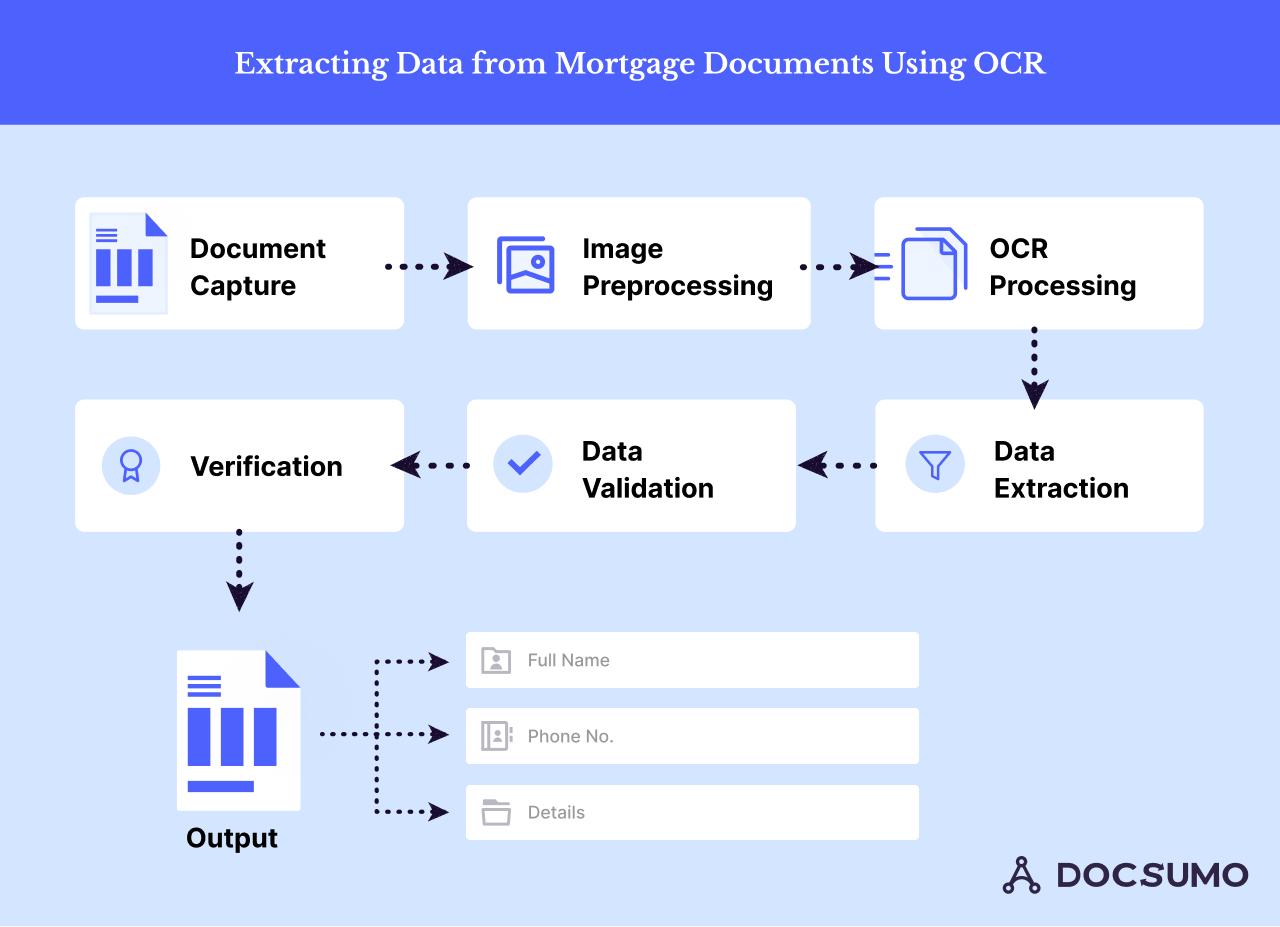
A reliable business OCR process can follow several steps:
Upload, process, extract, validate, review and save.
The document is first uploaded. Image processing can improve contrast, sharpness and resolution. OCR then extracts the text, while application logic identifies the fields required by the business.
The extracted information can be validated against business rules before being presented to the user for confirmation.
Human verification still matters
OCR is not perfect. Poor image quality, unusual layouts and damaged documents can affect recognition.
A good system therefore does not blindly save everything it reads. Instead, automation handles the repetitive extraction while the user verifies important information before it becomes part of the official record.
OCR becomes more powerful when integrated
The greatest value comes when OCR is connected to the wider business workflow.
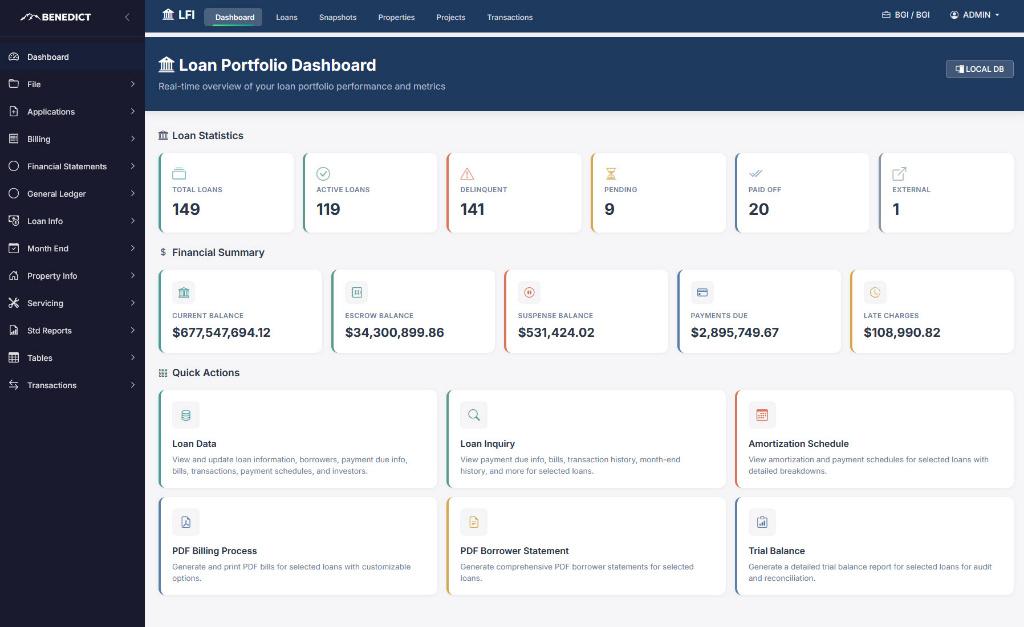
For example, vehicle information extracted from a logbook can automatically populate a financing application. The application can then continue through document review, valuation, credit assessment and other stages.
Where can OCR help?
OCR can be useful for logbooks, identification documents, invoices, receipts, application forms, certificates, contracts and registration documents.
Automation without losing control
The goal of OCR is not to remove people from important processes. It is to reduce unnecessary data entry and allow employees to focus on reviewing information and handling exceptions.
At Alphaja, we develop document-processing and OCR workflows that connect extracted information to real business applications, helping organizations turn documents into usable digital data.



Mwangi James
Oct 02, 07:58
Wõw I like this