Oct 02, 2026 • Alphaja Ltd
From Spreadsheets to Custom ERP: When Your Business Needs More Than Excel
As a business grows, spreadsheets often become the easiest way to manage customers, sales, employees, assets, invoices and expenses. At the beginning, this works well. But as operations become more complex, multiple spreadsheets can create duplicated information, inconsistent records and time-consuming manual reporting.
This is often when a business starts considering a custom ERP system.
When spreadsheets become a problem
A growing business may have separate spreadsheets for customers, finance, employees, assets and sales. Different departments may maintain their own versions, making it difficult to determine which information is current.
Employees may also spend considerable time copying information between files, preparing reports and tracking approvals through email or chat.
What a custom ERP can provide
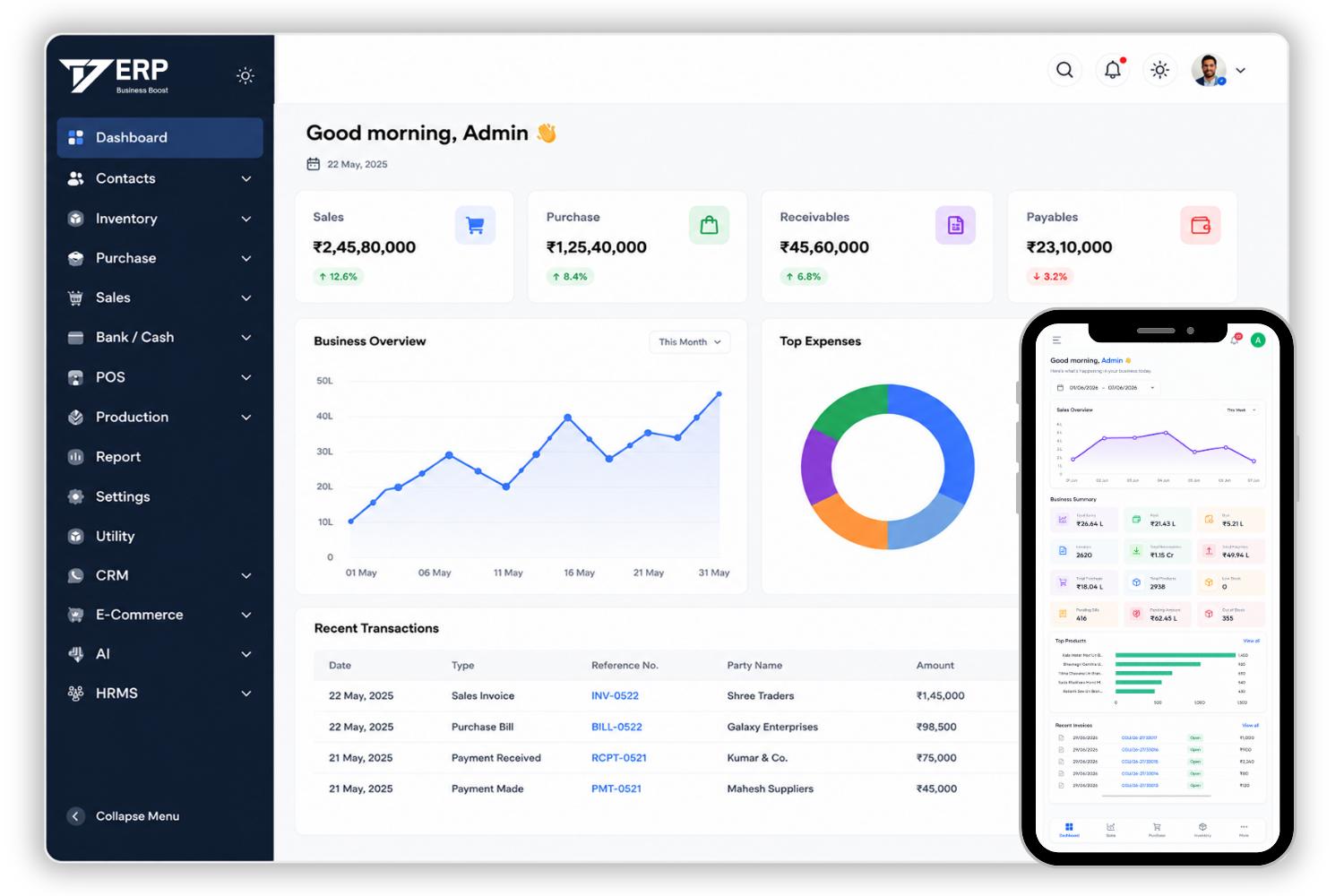
A custom ERP brings important business processes into one centralized platform. Depending on the organization, it can manage:
Customers and companies
Sales and quotations
Invoices and payments
Expenses and accounting
Employees and payroll
Assets and assignments
Inventory
Reports and dashboards
User roles and permissions
Documents and approvals
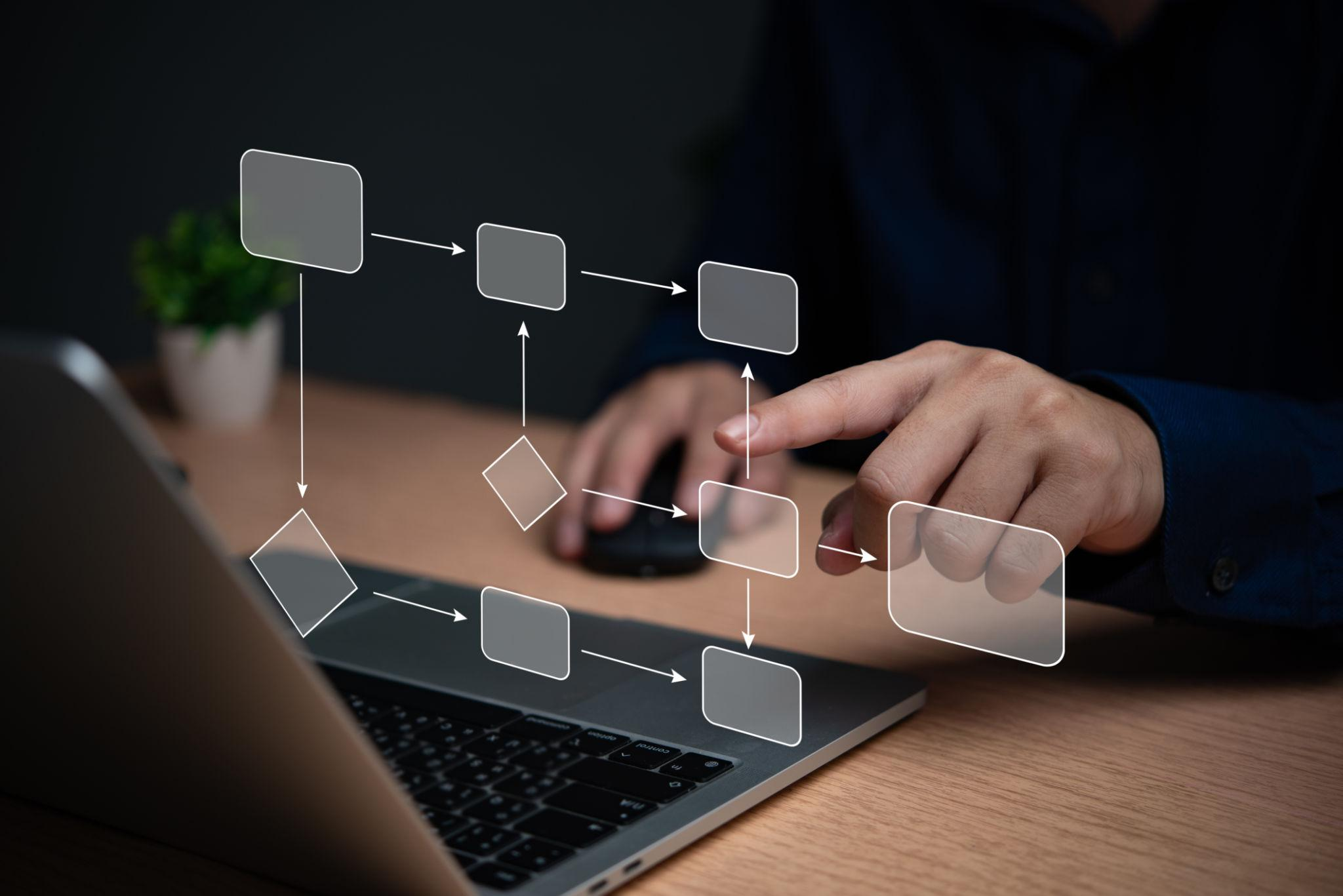
The system is designed around the organization's actual workflow rather than forcing the business to change its processes to match generic software.
Automation makes the difference
The real value of an ERP is not simply replacing spreadsheets with a better interface. It is automating repetitive work.
For example, creating an invoice can automatically calculate totals and update financial records. Assigning an asset can record the employee, date and asset history. Approval workflows can notify the appropriate person without manually sending documents between departments.
Better reporting
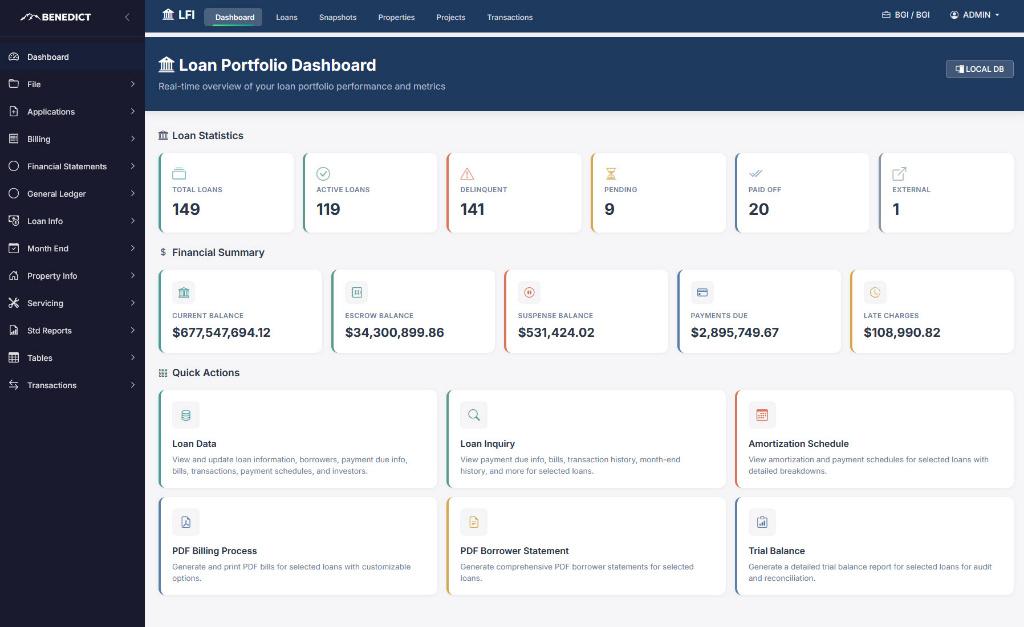
When information is centralized, management can generate reports without combining multiple spreadsheets.
They can quickly see outstanding invoices, sales performance, assigned assets, expenses, employee information and other operational data.
When should you consider an ERP?
There is no specific company size that determines when an ERP is necessary. Operational complexity is a better indicator.
If your team repeatedly searches for information, enters the same data multiple times, prepares reports manually or struggles with disconnected systems, it may be time to consider a centralized platform.
A custom ERP does not need to be unnecessarily complicated. It can start with the most important business processes and expand as the organization grows.
At Alphaja, we build practical business systems around real workflows, helping organizations bring finance, HR, assets, reporting and other operations into one connected platform.


Be the first to comment.